Property development

Buyers shortlist your project before you ever hear from them.

What is left, what it costs, what stage it is at and how to register. We build project and portfolio sites for developers that answer those first, and keep the availability current long after launch.

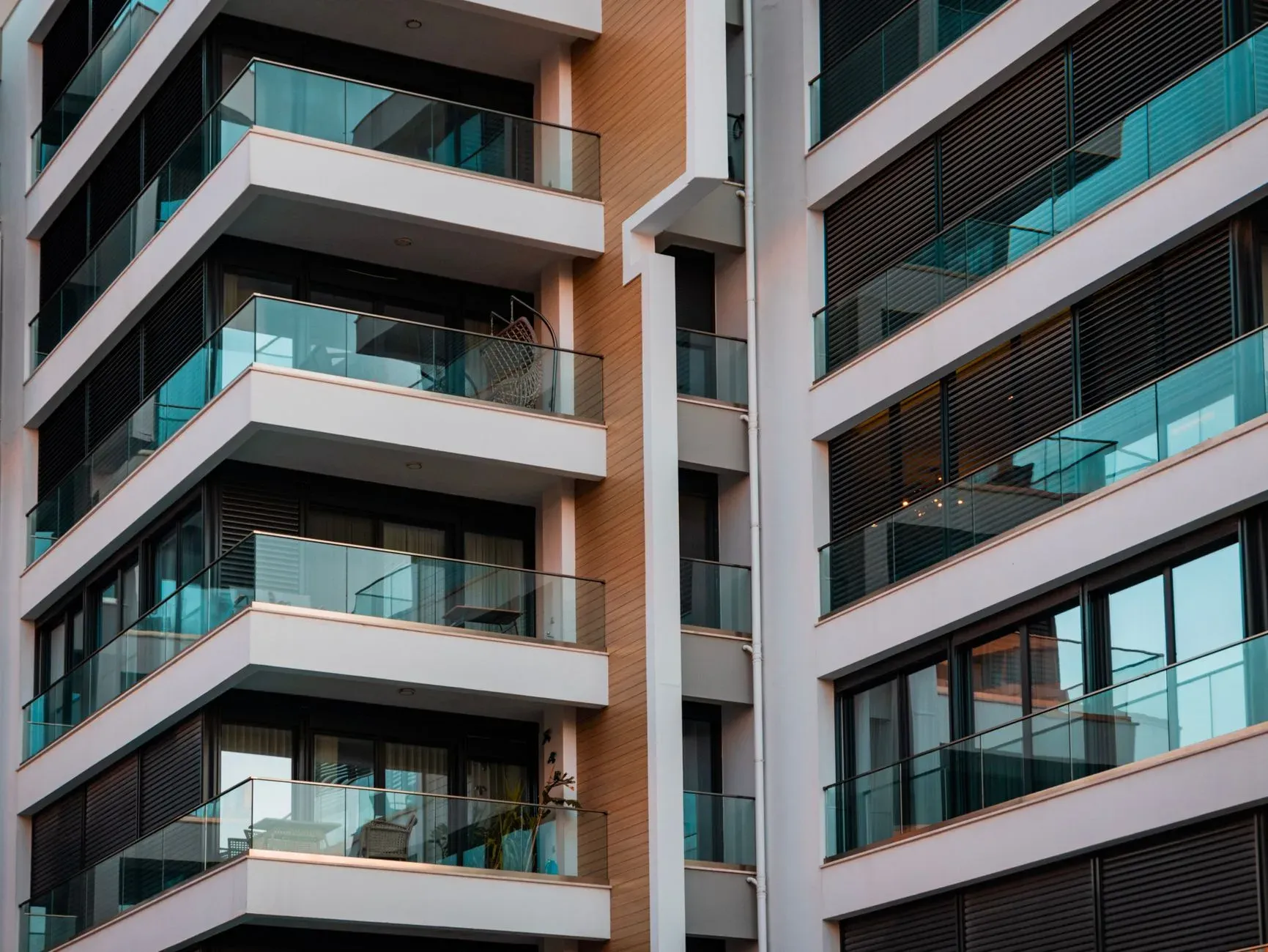
A new residential development seen from the street

What we hear

What we build for developers.

  1. Availability the sales team edits themselves

    On a land release that data moves weekly. A stale availability table costs calls, and it costs them quietly.

  2. Status as a field, not a line of copy

    Now selling, under construction, complete. Change it once and it changes everywhere the project appears.

  3. Registrations that name the lot or the apartment type

    A form that captures which one they want is a materially different lead from a general expression of interest.

  4. Prices and titles stated up front

    Indicative price bands, apartment mix, Torrens or community title. Making a buyer ask for the basics is where a shortlist leaks.

  5. Renders and galleries that stay fast

    Development photography is heavy by nature. Every image is processed at upload into several widths, so a phone is not carrying desktop-sized files.

  6. A careers section that does some recruiting

    Current roles, what the work is actually like, and an application path that works on a phone. Where people are the constraint rather than work, it is the highest-value page on the site.

  7. Capability and completed projects with enough detail to carry weight

    Scale, specs, before and after. What a panel, a partner or a financier is actually looking for, rather than a slideshow of hero shots.

The website is the display suite for everyone who has not driven out yet

A buyer builds their shortlist from a screen, usually at night, usually on a phone, and usually before they will admit to being interested. Whatever the site fails to answer at that point is not a question they ask you. It is a project they drop.

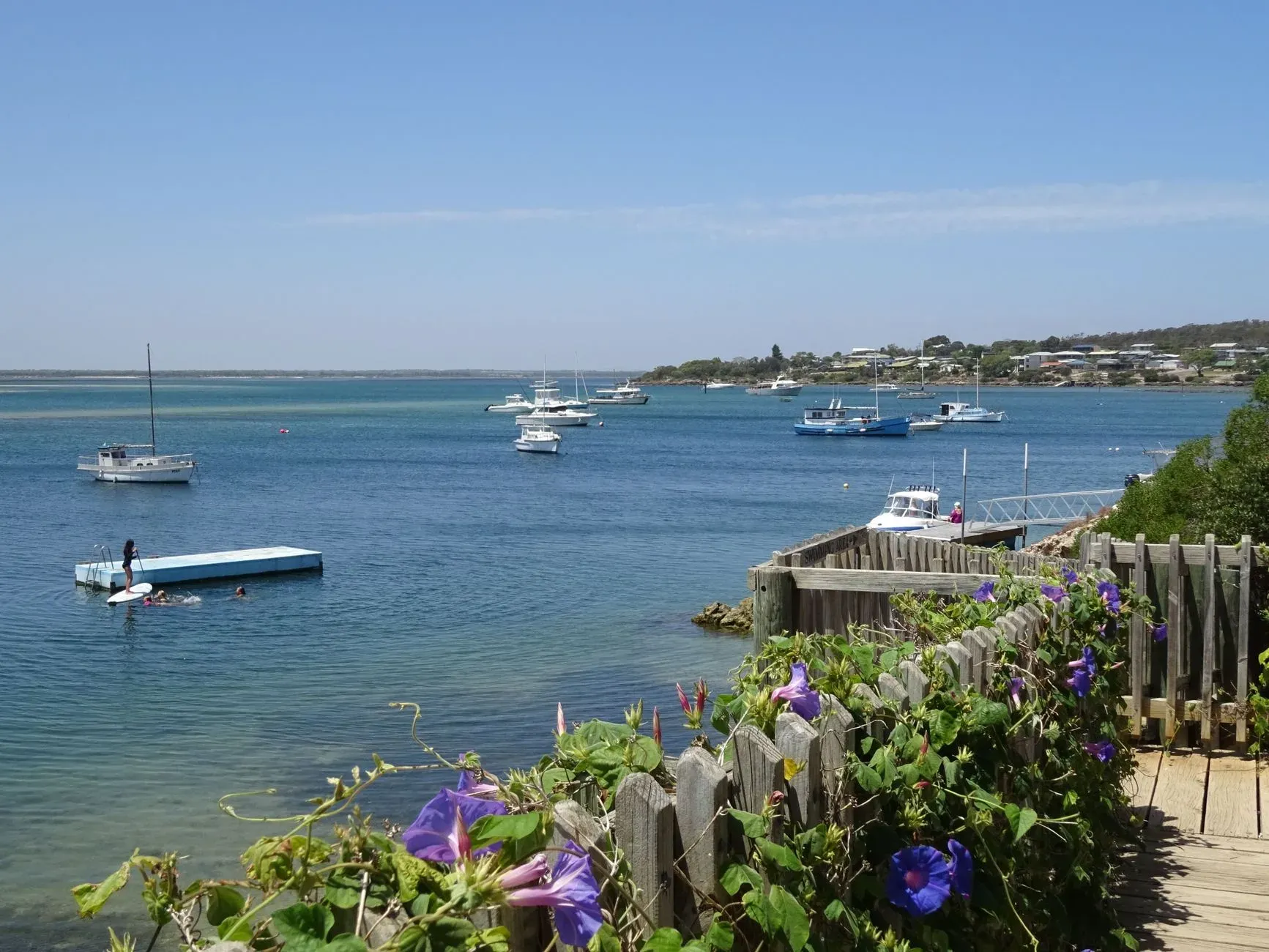
One Coffin Bay is the extreme version: a beachside release on the Eyre Peninsula remote enough that most buyers make the decision without visiting. Location, what is left and the gallery carry the whole argument, in that order, because that is the order a remote buyer needs them in.

Different buyers also need different doors. Seascape at Encounter Bay keeps land, house and land packages and the display village as three routes from the top of the site: a buyer with their own builder, a buyer without one, and a buyer who wants to walk through a display home on a Saturday have almost nothing in common. Sending all three down one path loses two of them.
Stale availability is the most expensive thing on the site

Stage releases, sold lots and price changes move faster than any agency retainer responds. If updating an availability table means emailing a developer, it will be wrong within a fortnight, and a buyer who enquires about a sold lot learns something about the project you did not want them to learn.

So availability is content the sales team owns. On One Coffin Bay the lot selector on the enquiry form is driven by the same data as the availability list, which means a sold lot stops being selectable rather than staying on the form as a trap. Grevillea Grove sold its thirty allotments out and the client switched the page from selling to sold the same day, instead of collecting dead leads for another six months.

The same principle covers status across a portfolio. On Contour Property the stage is a field on the project rather than a line of marketing copy, so moving a development from under construction to complete is one edit that updates every place the project appears.

A registration that says which one

An enquiry that reads "please send me more information" gives the sales team nothing. They call blind, and they call everybody the same way. The fix is to make the form ask the one question the caller needs answered before they dial.

On East Rundle the register form asks which apartment type the buyer is after, future retail tenancy included, so an agent knows whether they are speaking to a one-bedroom investor or a three-bedroom owner-occupier. On Six Philips the information memorandum is the lead: the buyer selects which memorandum they want, and the title type travels with the enquiry, because a Torrens title buyer and a community title buyer are two conversations.

None of that adds friction. It replaces a blank message box with two taps, and it turns an anonymous download into a qualified lead.

The panel, the partner and the person you want to hire

Buyers are not the only people looking you up. A tender panel scoring a submission, a builder deciding whether to price the job, a financier, a council officer and a good candidate all check the same website, and most of them check it before you know they exist.

What they want is specific: comparable projects at a comparable scale, the plant and people to do the work, current certifications, and some sign the business is still moving. A capability statement answers all of that and then sits in a PDF nobody opens until after the decision has been made. We built Civecon Developments around exactly that problem, and BuildSurv around a project archive where the photography runs at the size the work deserves.

The careers page belongs in the same conversation. Every candidate worth hiring reads it, and most firms in this sector last updated theirs when someone had a spare afternoon in 2019. It sits three clicks down, lists a role that closed two years ago, and quietly tells a good candidate what it is like to work there. We put it in the top-level navigation and make it something the office publishes to directly.

Whatever the office cannot publish today, it will not publish

Site photography is taken on a phone, in daylight, at full resolution, by whoever was standing there. That is the right workflow, it is the only one that survives contact with a live site, so the website has to absorb it. Every build we do processes images at upload into modern formats at several widths, which means a project gallery stays fast as it fills up and nobody in the office has to think about file sizes before they publish.

The same applies to anything time-limited. Mossop publishes its open tenders on the site, because a tender the office cannot put up the same day is a tender they miss.

An upload path that does not fight back, and a page the office can change the same day. It is the difference between a site that reflects the business and one that quietly contradicts it.

Proof

Free review for developers

A ten-minute video walking a buyer from the first search to a registration on your current project.

Useful even if you never hire us.

Request the review

Tell us about your project.

Send a few details and you’ll get a straight answer within two business days: whether we’re a fit, roughly what it would cost, and how long it would take.

Builds from

NZ$20,000

Care plans from $650 a month. Every price is on the pricing page.

Get a proposal